SPRING: Work Body
Michael Turinsky
Performance, Language no problem
SPRING: Work Body
Michael Turinsky
Performance, Language no problem
SPRING: Work Body
Michael Turinsky
Performance, Language no problem
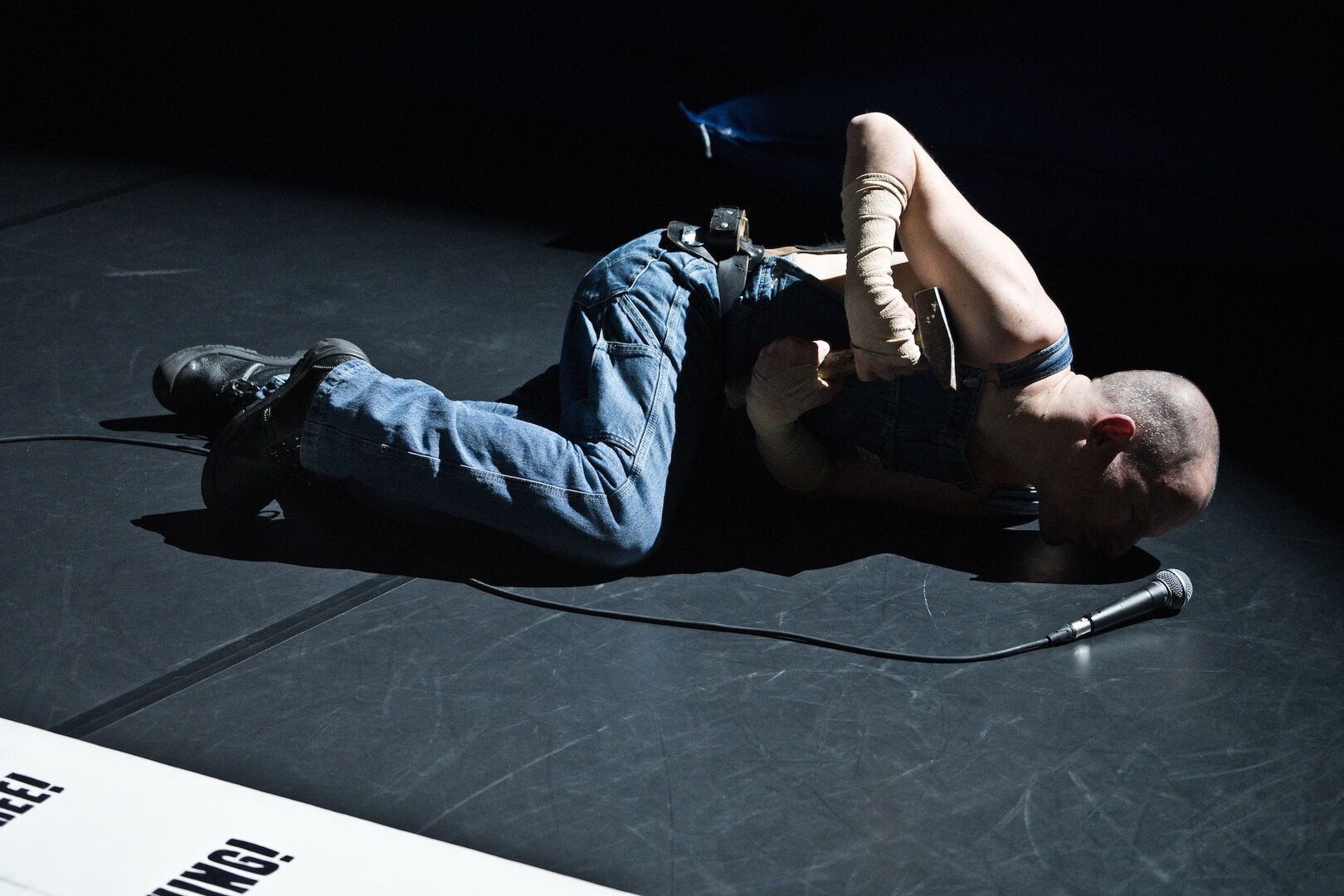
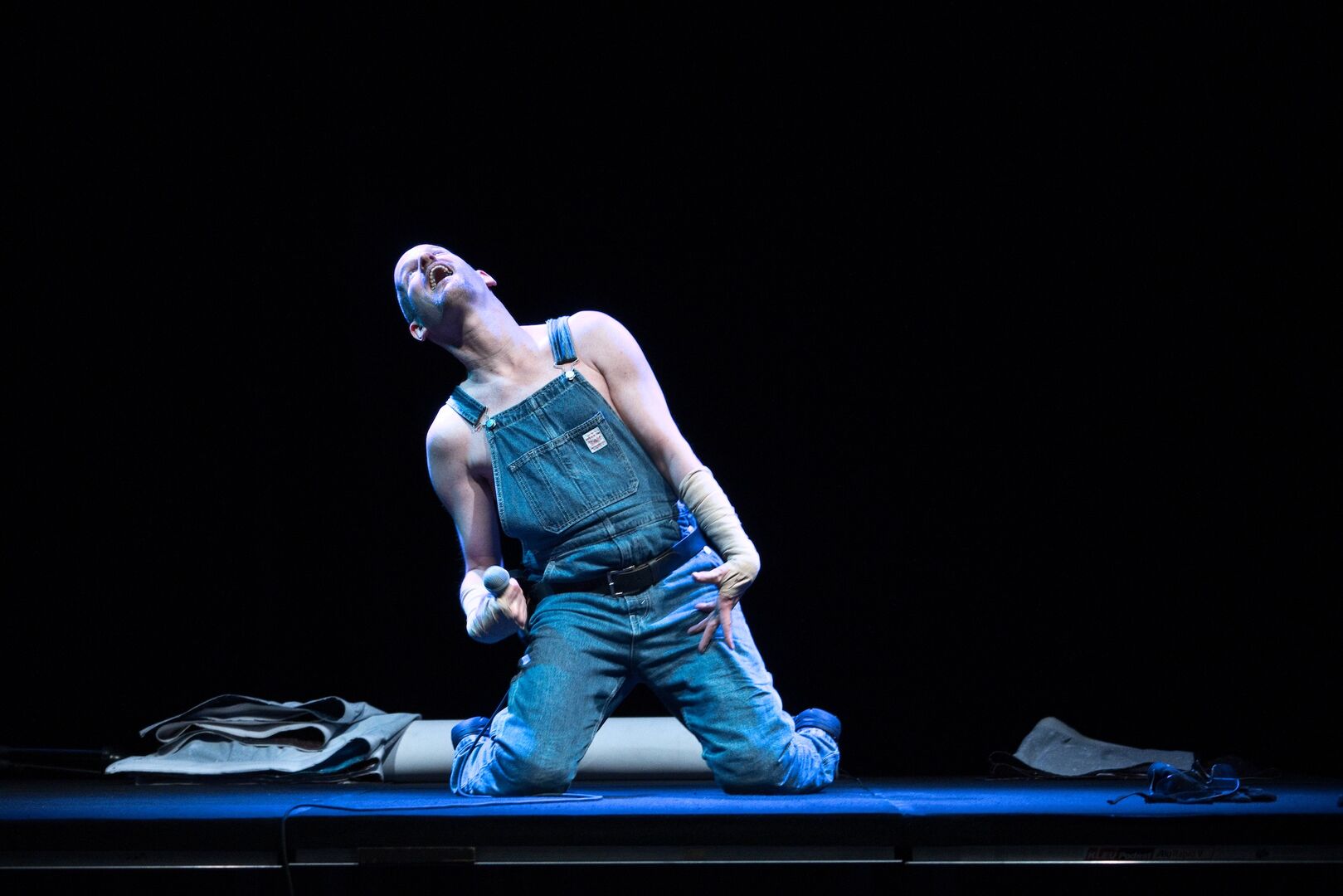
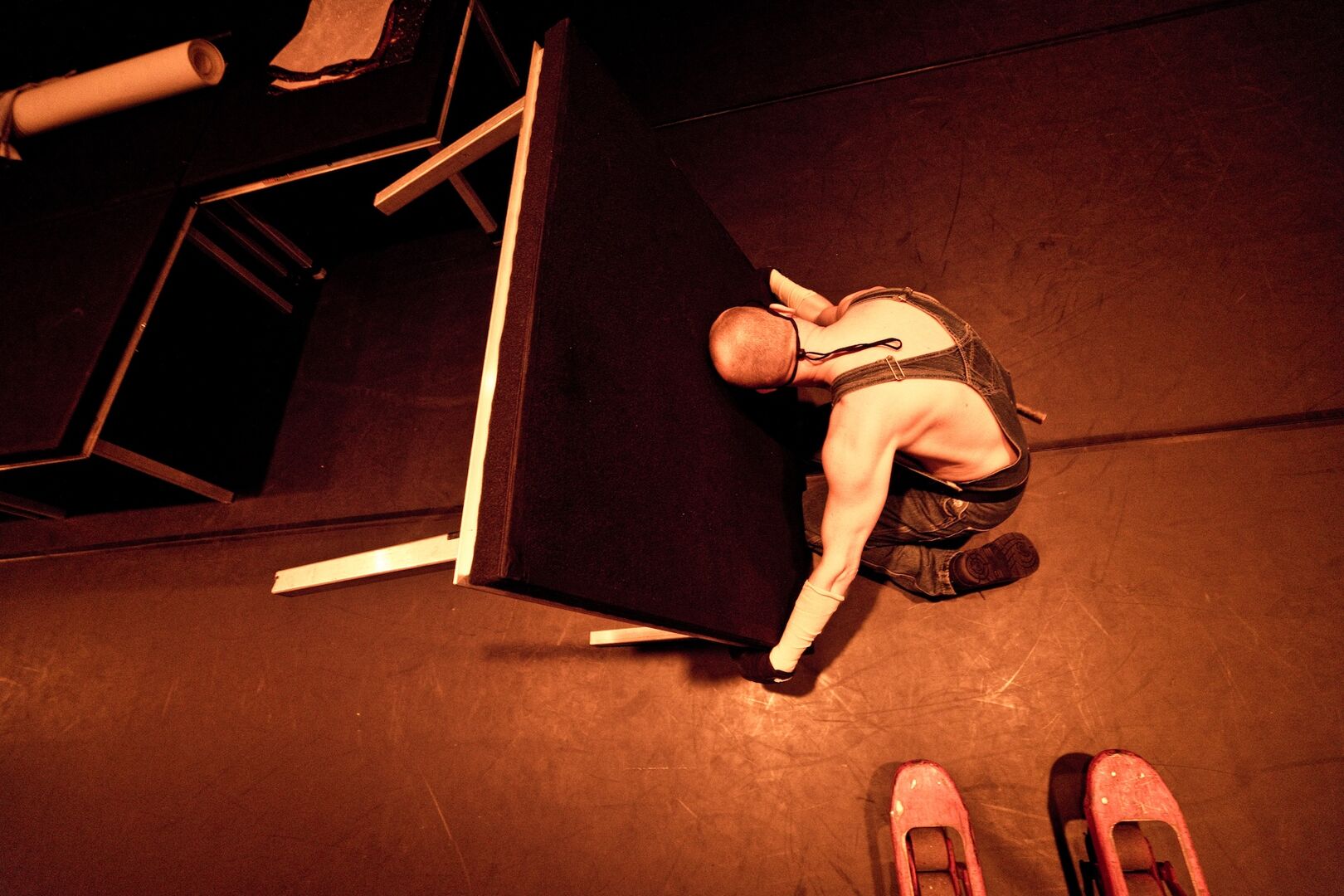
Work Body by Michael Turinsky explores what it means to work today and which bodies are allowed to be seen. On stage, Turinsky himself, a physically disabled artist, shows how physical limitation, power, and social expectations intersect.
Inspired by the Italian poet and filmmaker Pier Paolo Pasolini and Antonio Gramsci, co-founder of the Italian Communist Party who was also physically disabled, the work reflects on labor, class, masculinity, and solidarity. Turinsky examines desires for autonomy, connection, and political engagement, and how these relate to embodiment, vulnerability, and presence.
Through singing, speaking, dancing, and building, Turinsky delivers a performance that breaks down the separation between mental and manual labor, as well as the boundaries between choreography, performance, and political intervention. The audience enters a space where strength, vulnerability, and visibility converge, inviting reflection on what it means to be truly seen.


Credits
Idea, choreography, text, performance Michael Turinsky | Music, lyrics, performance Tian Rotteveel | Stage, costume Jenny Schleif | Light design Max Rux | Lights Max Windisch-Spoerk | Dramaturgical advice Chris Standfest | Artistic collaboration Liv Schellander | Production Anna Gräsel | Production by Verein für philosophische Praxis | Coproduced by Tanzquartier Wien, Theater RAMPE Stuttgart | Supported by the Municipal Department of Cultural Affairs, Vienna, and the Austrian Federal Ministry of Arts.
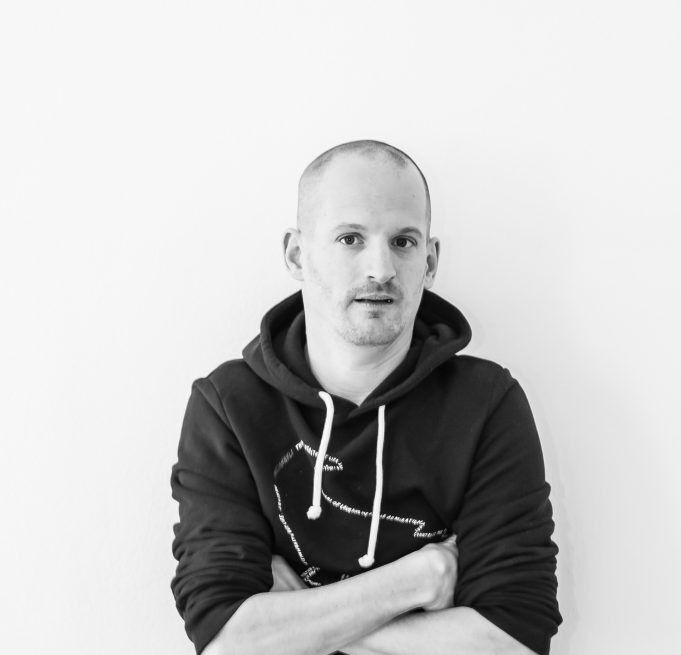
Michael Turinsky is a Vienna-based physically disabled artist. As a choreographer, theorist and curator, he is one of the most important disabled movement thinkers in the German-speaking world. Academically trained as a philosopher at the University of Vienna, Michael began immersing himself in the field of inclusive dance in 2006. He later questioned the term inclusion and coined his own term, Crip Choreography, to describe his unique artistic practice.
His work engages with the specific, resistant materiality of the body in processes of subversion, de-organisation and re-organisation of dominant movement forms and qualities. His solo work Precarious Moves